%%PW_PROTECTED_BLOCK_134%%
com-express-module-types-hero-banner

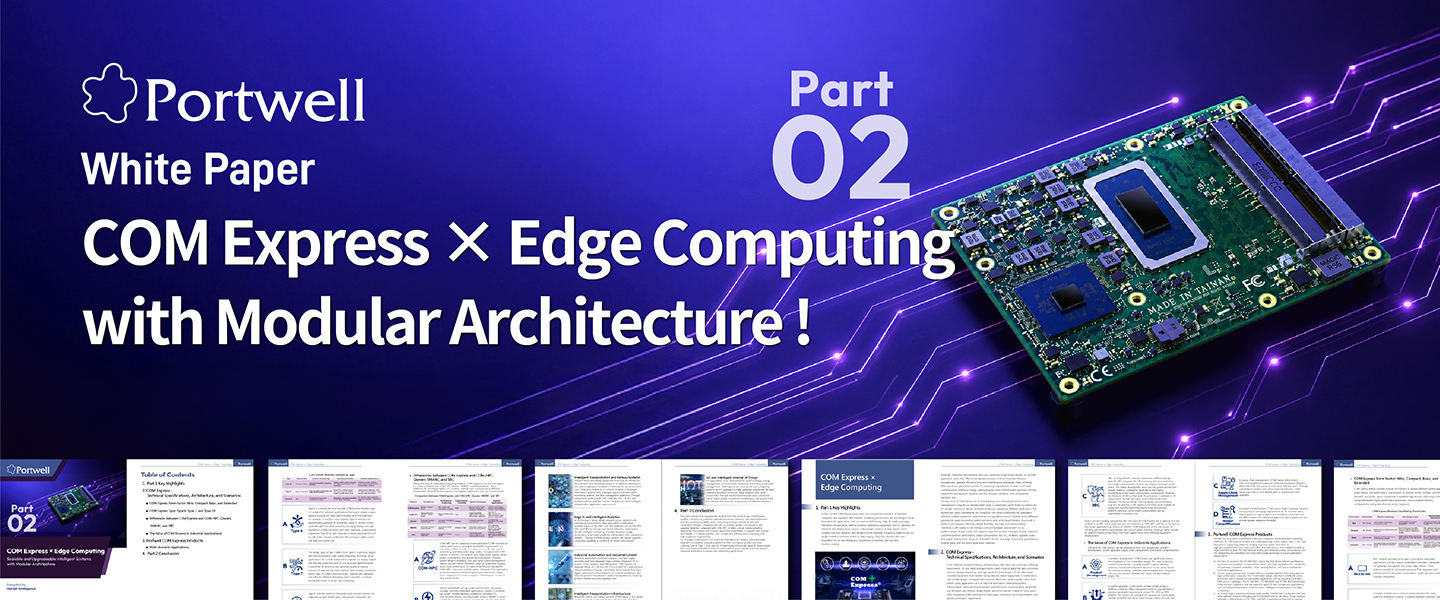
COM Express × Edge Computing Part 2

Scalable and Upgradeable Intelligent Systems with Modular Architecture

Part 1 Recap: Modular Computing Foundations

The Evolution of Industrial Computing

In Part 1 of the COM Express white paper, we reviewed the evolution of industrial computers and explained why modular computing architectures are becoming a critical foundation for applications such as smart manufacturing, Edge AI, medical imaging, intelligent transportation, defense systems, networking equipment, and IoT gateways. Specifically, as industrial sites deploy more sensors, collect larger volumes of data, require more complex real-time analytics, and demand stricter reliability, computing platforms are no longer limited to backend control or data logging. Instead, they have become the core foundation for on-site intelligence, equipment connectivity, and real-time decision-making.

Challenges in Traditional System Design

Although traditional motherboards and fully customized single-board designs still provide application value, they often create greater pressure in terms of product lifecycle management, upgrade efficiency, long-term maintenance, and supply chain continuity. For instance, when processor generations evolve, AI computing requirements increase, or I/O and communication interfaces change, redesigning the entire motherboard each time not only extends the development schedule, but also increases validation costs and platform transition risks.

The Strategic Value of COM Express

The key value of COM Express lies in consolidating core computing functions into a standardized Computer-on-Module,while using a customized Carrier Board to connect the I/O, power, mechanical design, and external devices required by different applications. This architecture, which standardizes the computing core while customizing the application interface, enables equipment manufacturers to upgrade processor modules across different generations based on existing system mechanics and carrier board designs. Consequently, it not only balances development efficiency and design flexibility, but also ensures long-term maintainability.

Therefore, COM Express is not merely a compact hardware specification. Rather, it is a platform-based design model that supports long-term product strategies. In fact, it helps industrial customers balance performance, power consumption, size, I/O, reliability, upgrade cycles, and supply stability, while laying the foundation for the next stage of technical specifications, module types, and real-world application scenarios.

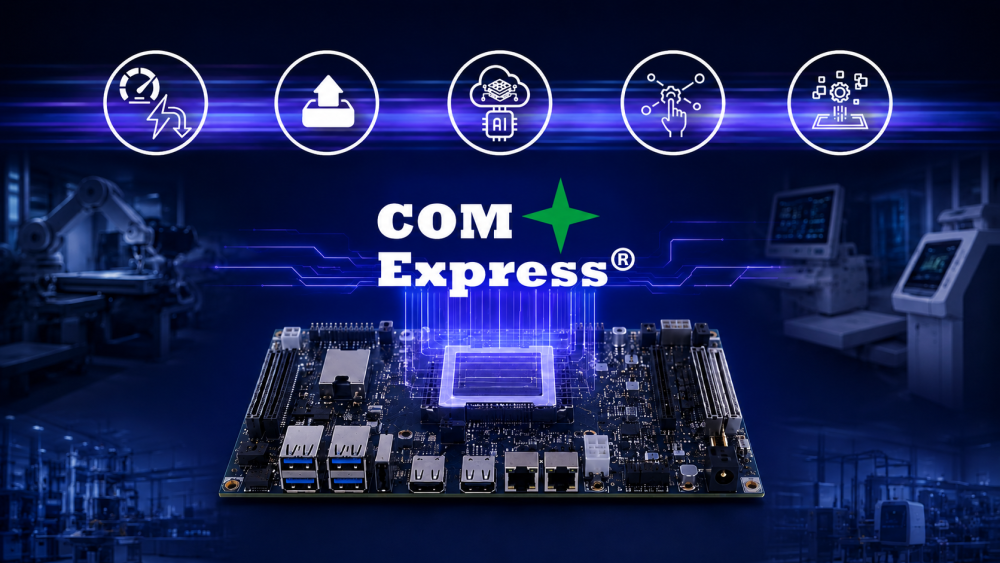
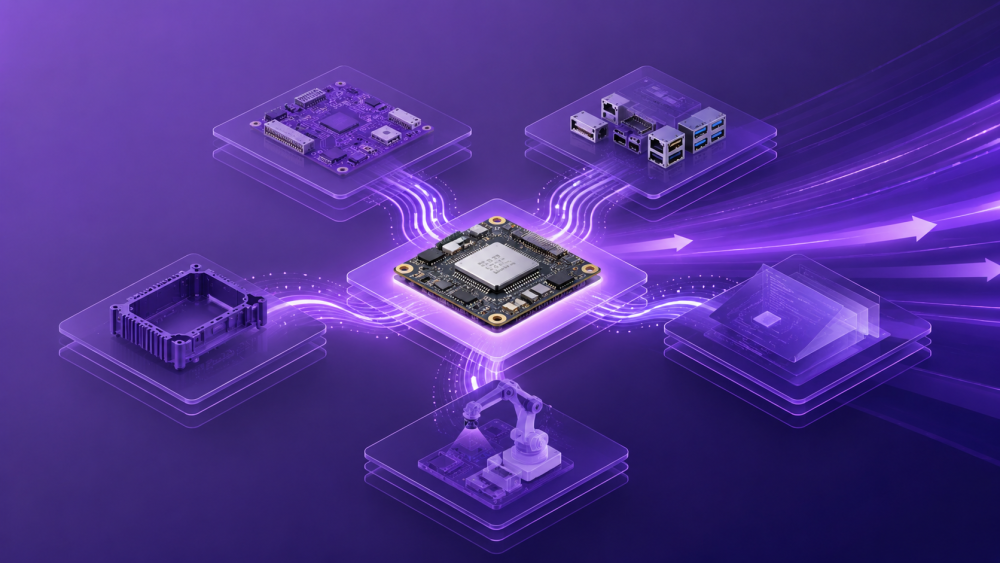
Portwell COM Express specifications and modular computing architecture diagram

COM Express - Technical Specifications, Architecture, and Scenarios

In the industrial computer industry, product design often faces two seemingly conflicting requirements. On one hand, end applications need to quickly adopt the latest processor, memory, display, networking, and high-speed I/O technologies based on standardized COM Express specifications. On the other hand, industrial equipment must maintain a long lifecycle, stable supply, ease of maintenance, and scalable design. Unlike consumer electronics, which typically follow short refresh cycles, applications such as industrial automation, medical equipment, transportation, semiconductor equipment, machine vision, communications equipment, and aerospace and defense usually require systems to operate reliably for many years, while maintaining stable performance under space constraints, harsh environments, and specific certification requirements.

COM Express Specifications by Form Factor: Mini, Compact, Basic, and Extended

To address these diverse demands, COM Express defines multiple module form factors to address different system space, power design, and performance requirements. In general, smaller modules are better suited for low-power, space-constrained embedded edge devices, whereas larger modules can accommodate higher-performance processors, more complete memory configurations, and greater thermal design headroom.

COM Express Modules Classified by Form Factor:

Mini: 84 × 55 mm

Typical Positioning

Ultra-compact, low-power embedded module

Key Design Focus

Small footprint, low power consumption, compact integration

Representative Applications

Compact controllers, lightweight IoT gateways, low-power edge devices

Compact: 95 × 95 mm

Typical Positioning

Balanced size, performance, and expansion

Key Design Focus

Specifically, it offers more PCB space than Mini, thereby improving high-speed signal routing, memory, and thermal design.

Representative Applications

HMI, industrial gateways, machine vision, equipment controllers, mid-range edge platforms

Basic: 125 × 95 mm

Typical Positioning

Mainstream high-performance COM Express module

Key Design Focus

Higher-performance processors, more memory, richer high-speed interfaces

Representative Applications

AOI, semiconductor equipment, medical imaging, intelligent transportation, high-end Edge AI

Extended: 155 × 110 mm

Typical Positioning

Specialized high-end module for greater thermal and expansion needs

Key Design Focus

Larger thermal area, complex high-speed signal design, higher-end processors

Representative Applications

High-performance image processing, communications equipment, defense, specialized industrial servers

Portwell Logo_only oaoa

Mini Form Factor: Ultra-Compact Edge Solutions

Mini modules primarily serve space-constrained, low-power applications, such as compact embedded controllers, lightweight IoT gateways, and specific low-power edge devices. In general, these systems do not require extensive PCIe expansion; instead, they prioritize low power consumption, stable operation, and compact integration.

Portwell Logo_only oaoa

Compact Form Factor: Balanced Performance and Versatility

Compact modules are a common balanced option for many industrial embedded systems. Compared with Mini modules, they provide more PCB space, thereby enabling more complete high-speed signal configurations, memory designs, and thermal conditions, while still maintaining a relatively compact system footprint. Therefore, for HMI, industrial gateways, general machine vision, equipment controllers, and mid-range edge computing platforms, Compact modules usually provide strong design flexibility.

Portwell Logo_only oaoa

Basic Form Factor: Mainstream High-Performance Computing

Basic modules are a mainstream choice for high-performance COM Express designs. With a larger board area, they can accommodate higher-performance processors, more memory, and more complete high-speed interfaces. They are suitable for equipment that requires high computing performance, high data throughput, or multi-I/O integration. Examples include AOI systems, semiconductor equipment, medical imaging systems, intelligent transportation controllers, and high-end Edge AI systems. These applications typically require a balance among computing power, image processing, data transmission, and long-term stability, making the Basic form factor a more complete design foundation.

Portwell Logo_only oaoa

Extended Form Factor: Specialized High-End Architectures

Extended modules are designed for more advanced and specialized applications. Specifically, these applications may require a larger thermal area, more complex high-speed signal design, or higher-end processors and system expansion. Although Extended modules are less common than Compact and Basic modules in general industrial applications, they nevertheless remain valuable for high-performance image processing, communications equipment, defense applications, and specialized industrial server architectures.

COM Express Specifications by Type: Type 6, Type 7, and Type 10

In addition to form factor, Type is another important classification for COM Express. A Type defines the signal assignment on the module connector, namely which I/O and system functions the module can provide. Therefore, for system designers, selecting a Type determines the signal configuration, expansion direction, and product positioning of the entire carrier board. Currently, Type 6, Type 7, and Type 10 are the most common choices in industrial applications.

COM Express Modules Classified by Type:

Type 6

Typical Size

Compact / Basic

Primary Positioning

Versatile embedded computing interface

Key Characteristics

Display output, general-purpose I/O, high-speed storage, PCIe expansion

Suitable Applications

Industrial control, machine vision, HMI, medical devices, transportation, Edge AI

Type 7

Typical Size

Basic / Extended

Primary Positioning

High-throughput networking and edge server interface

Key Characteristics

More PCIe and high-speed Ethernet resources; display output is not the main focus

Suitable Applications

Cybersecurity gateways, SDN, 5G edge communications, edge servers, data acquisition

Type 10

Typical Size

Mini

Primary Positioning

Compact and low-power embedded interface

Key Characteristics

Small size, low power, simplified I/O for lighter workloads

Suitable Applications

IoT devices, data acquisition, compact controllers, lightweight HMI

Portwell Logo_only oaoa

Type 6: Versatile Embedded Computing Interface

Currently, Type 6 is the most versatile COM Express interface type. Specifically, it is designed for industrial applications that require display output, general-purpose I/O, high-speed storage, and PCIe expansion. For example, in machine vision systems, Type 6 modules can expand frame grabbers, AI accelerator cards, or motion control cards through PCIe, while providing operating displays through DisplayPort, HDMI®, LVDS/eDP, and other interfaces. In addition, in automation equipment, Type 6 can integrate common industrial I/O such as USB, SATA, Ethernet, COM, and DIO, thereby forming a stable control and data processing core.

Portwell Logo_only oaoa

Type 7: High-Throughput Edge Server Interface

In contrast, the design logic of Type 7 differs from Type 6. Instead of focusing on display output, it primarily targets high data throughput, high-speed networking, and edge server applications. As a result, it allocates more resources to PCIe and high-speed Ethernet connectivity. Consequently, as industrial sites generate rapidly increasing volumes of data—such as multi-channel video streams, centralized sensor data, 5G edge communications, cybersecurity gateways, and software-defined networking—Type 7 provides a modular architecture closer to server-class computing.

Portwell Logo_only oaoa

Type 10: Compact, Low-Power Embedded Interface

On the other hand, Type 10 is better suited for low-power and compact markets. Particularly for edge devices with limited space, strict power constraints, and lighter computing workloads, Type 10 provides sufficient embedded computing capability while reducing system size and thermal pressure. Although it is generally not used for high-end AI or large-scale image processing, it is nevertheless highly practical for IoT, data acquisition, lightweight control, and compact HMI applications.

Differences between COM Express and COM-HPC, Qseven, SMARC, and SBC

When selecting an embedded computing platform, COM Express is not the only option. Specifically, it is often compared with COM-HPC, Qseven, SMARC, and SBC platforms. However, these platforms do not simply replace one another; instead, each corresponds to different requirements for performance, power consumption, expansion, cost, and customization.

Comparison between COM Express and COM-HPC, Qseven, SMARC, and SBC:

COM Express

Architecture

Module + Carrier Board

Performance Positioning

Mid- to high-end embedded computing

Customization Flexibility

High

Typical Advantages

Mature standard, long lifecycle, strong x86 ecosystem, flexible I/O

Suitable Applications

Industrial automation, medical, transportation, machine vision, Edge AI

COM-HPC

Architecture

High-performance module + Carrier Board

Performance Positioning

High-end edge server / HPC

Customization Flexibility

High

Typical Advantages

Higher bandwidth, higher power support, server-class expansion

Suitable Applications

High-end AI, edge servers, 5G, communications, data-intensive applications

Qseven

Architecture

Low-power module + Carrier Board

Performance Positioning

Low-power embedded computing

Customization Flexibility

Medium

Typical Advantages

Compact, low power, cost-oriented

Suitable Applications

IoT, lightweight controllers, low-power devices

SMARC

Architecture

Low-power module + Carrier Board

Performance Positioning

Arm/x86 low-power platform

Customization Flexibility

Medium to high

Typical Advantages

Multimedia support, low power, Arm ecosystem

Suitable Applications

IoT, multimedia terminals, smart devices, low-power edge equipment

SBC

Architecture

Single-board integration

Performance Positioning

Depends on board design

Customization Flexibility

Lower

Typical Advantages

Fast development, simple integration, no carrier board required

Suitable Applications

Standard industrial computers, controllers, HMI, general embedded systems

Portwell Logo_only oaoa

Next-Generation Performance: COM-HPC

COM-HPC can be viewed as a next-generation COM standard for higher performance and higher bandwidth requirements. In particular, it is especially suitable for high-end edge servers, AI, high-speed networking, and data center edge nodes. Compared with COM Express, COM-HPC can support more high-speed signals, higher power consumption, and greater data bandwidth. Nevertheless, system design complexity, cost, and carrier board development barriers are also higher. Therefore, when an application requires server-class performance or higher PCIe/Ethernet bandwidth, COM-HPC is the more suitable option. Conversely, if the application prioritizes maturity, industrial deployment experience, supply chain stability, and a broad ecosystem, COM Express remains a very robust choice.

Portwell Logo_only oaoa

Low-Power and Compact Solutions: Qseven & SMARC

On the other hand, Qseven and SMARC are generally positioned for low-power, compact Arm/x86 embedded applications. For example, Qseven is an earlier low-power module standard, suitable for simplified I/O, cost-oriented designs, and low-power systems. Meanwhile, SMARC is more suitable for modern low-power multimedia and IoT applications, and is commonly seen with Arm-based processors while also supporting selected x86 solutions. In comparison, COM Express offers stronger advantages in high-performance x86 computing, PCIe expansion, long industrial lifecycles, and high-end embedded applications.

Portwell Logo_only oaoa

Integrated Design for Fast Development: Single Board Computer (SBC)

In contrast, SBC, or Single Board Computer, represents a completely different design logic. An SBC integrates the CPU, memory, I/O, and connectors on a single motherboard and does not require a separate carrier board. Consequently, this makes development faster and the system architecture simpler, making it suitable for applications with higher standardization and lower customization requirements. However, the limitation of SBCs is that when the processor is updated or I/O requirements change, the entire board often needs to be replaced. As a result, mechanical design, thermal design, and certification may also be affected. Therefore, COM Express is more suitable for equipment manufacturers that require long-term product platform planning, carrier board customization, and an upgradeable computing core.

From a product strategy perspective, the core value of COM Express lies in balance. It is not as fixed as an SBC, not as high-end and cost-intensive as COM-HPC, and not as focused on low-power applications as Qseven or SMARC. COM Express sits at the intersection of maturity, performance, expandability, and customization flexibility, making it highly suitable for platform-based product lines that must support long-term industrial equipment development.

The Value of COM Express in Industrial Applications

The value of COM Express can be understood from four perspectives: product development, system upgrades, supply chain management, and market competitiveness. Specifically, each aspect provides distinct benefits for long-term platform planning.

Portwell COM Express specifications diagram showing modular computer-on-module and carrier board architecture

Accelerated Product Development

When developing a product, COM Express can significantly reduce the complexity of core computing design. Specifically, the core computing module is provided by a professional IPC supplier, thereby allowing customers to focus development resources on the carrier board, I/O, mechanical design, software, and end-application integration. As a result, this not only shortens development cycles, but also reduces overall project risk.

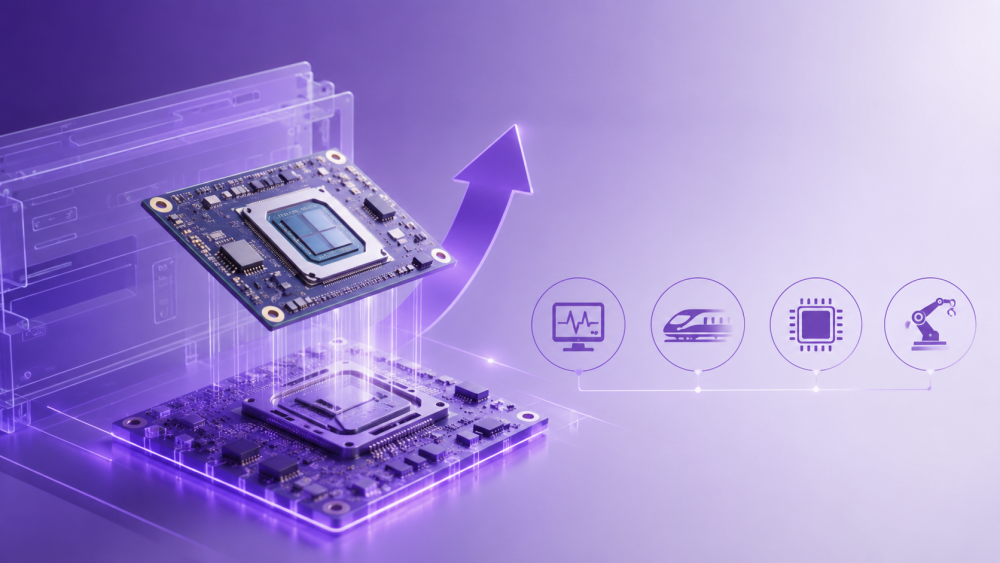
Portwell COM Express specifications illustration showing seamless processor upgrade and platform migration

Seamless System Migration & Upgrades

For system upgrades, COM Express enables longer product platform continuity. For instance, when equipment needs to upgrade from a previous-generation processor to a new CPU, GPU, or NPU platform, the system can complete the upgrade simply by replacing the module—provided that carrier board design, power, thermal, and signal compatibility have been properly planned. Therefore, this is especially important for customers in medical, transportation, semiconductor equipment, and industrial automation markets, where redesigning an entire device simply because of processor generation changes is usually undesirable.

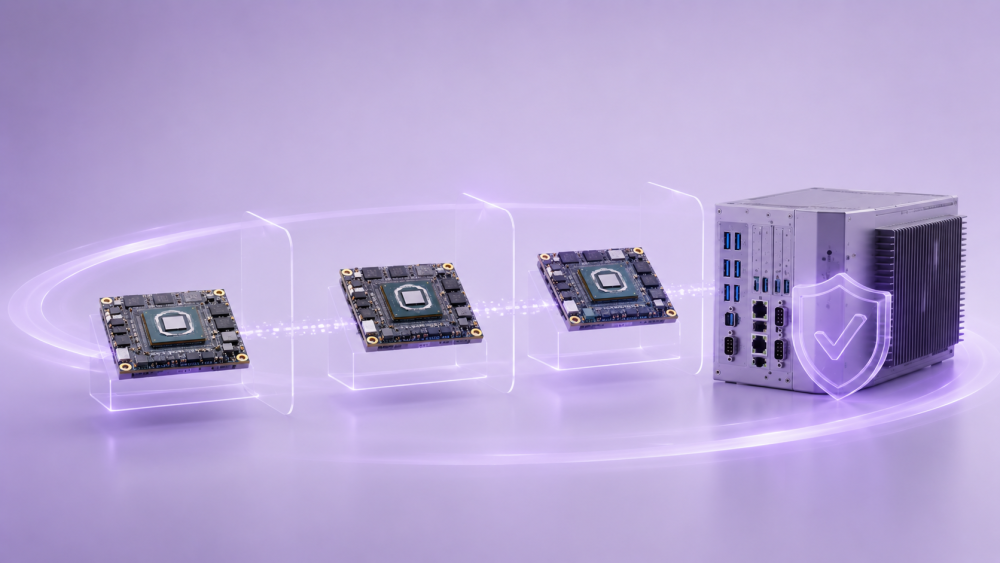
Portwell COM Express specifications showing long-term industrial product lifecycle and supply longevity

Extended Product Lifecycles

In supply chain management, COM Express helps reduce long-term maintenance pressure. In general, industrial equipment lifecycles often extend for five, seven, or even more than ten years. Consequently, through standardized modules and carrier board architecture, COM Express provides a more flexible path for component replacement and technology upgrades while mitigating supply chain obsolescence risks.

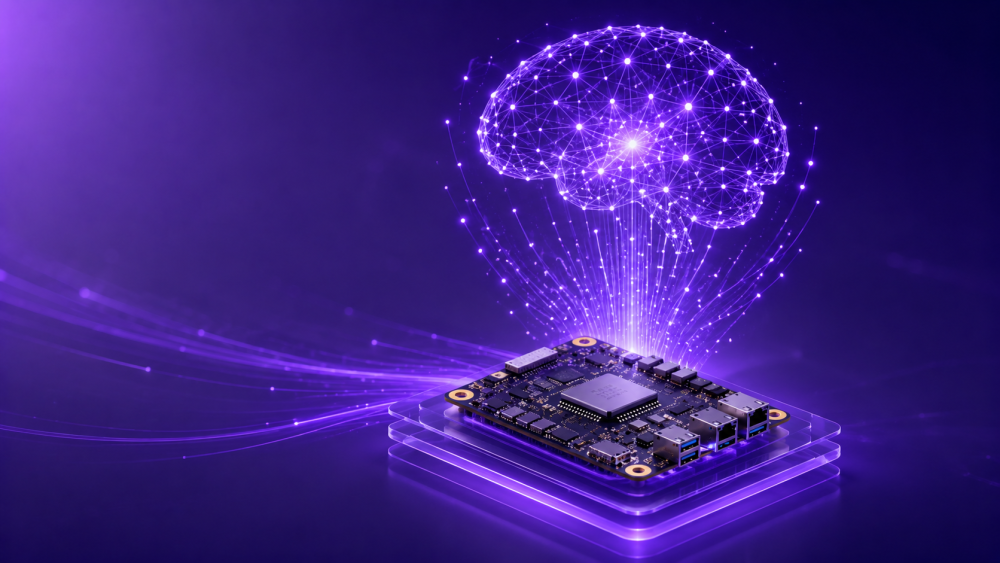
Portwell COM Express specifications module architecture for edge AI computing and smart industrial applications

Enhanced Agility for AI & Innovation

Finally, in terms of market competitiveness, COM Express helps customers respond more quickly to emerging requirements. As AI, machine vision, data acquisition, edge analytics, and intelligent control become key differentiators for industrial equipment, system platforms must therefore provide greater expansion flexibility.

Portwell COM Express Products

Portwell has long been committed to industrial computers and embedded computing platforms. Specifically, its COM Express product line comprehensively covers Type 6, Type 7, and Type 10 positions, supporting platforms ranging from low-power Intel Atom® to high-performance Intel®Core™, Intel®Core™ Ultra, and Intel®Xeon D. Consequently, this enables Portwell to help customers achieve the right balance among performance, power consumption, size, I/O, networking, AI computing, and long-term supply according to actual application requirements.

Portwell Logo_only oaoa

Type 10: Ultra-Compact & Low-Power Embedded Solutions

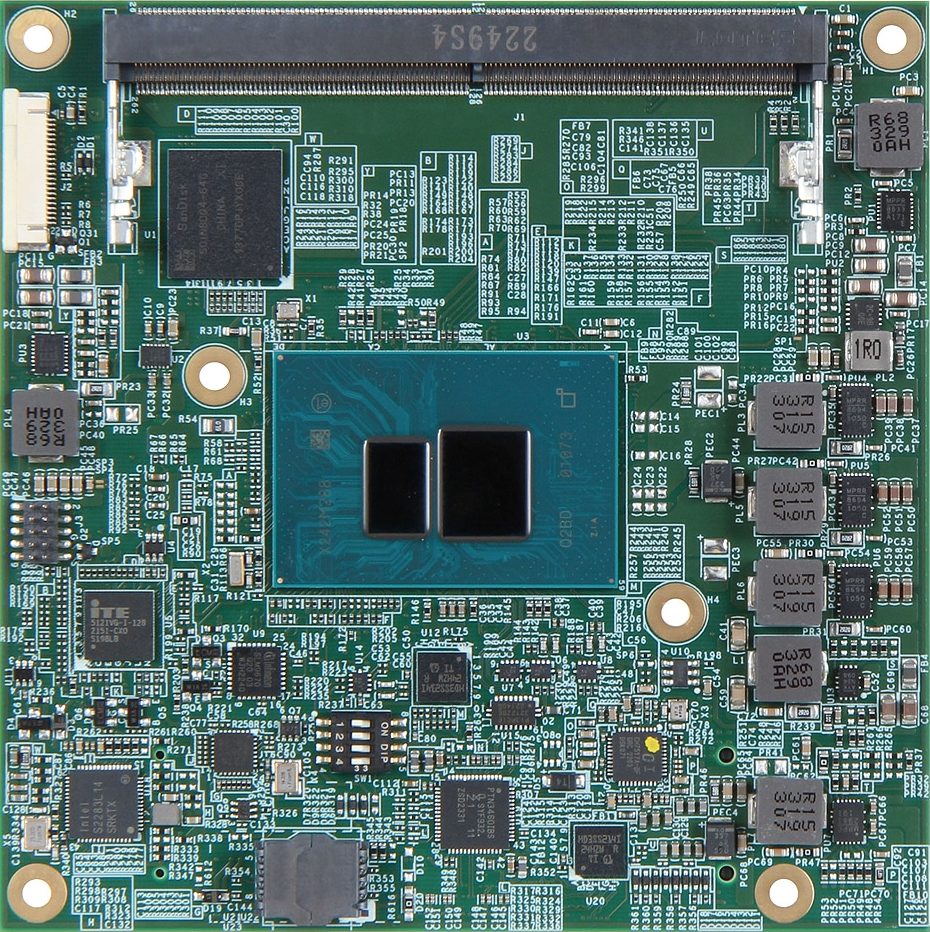
For Type 10 products, the PCOM-BA03 adopts the Intel Atom® platform and features low power consumption, a compact form factor, and high integration. Therefore, it is suitable for IoT gateways, compact controllers, smart sensing devices, and space-constrained embedded applications.

Portwell Logo_only oaoa

Type 6: Versatile & High-Performance Embedded Modules

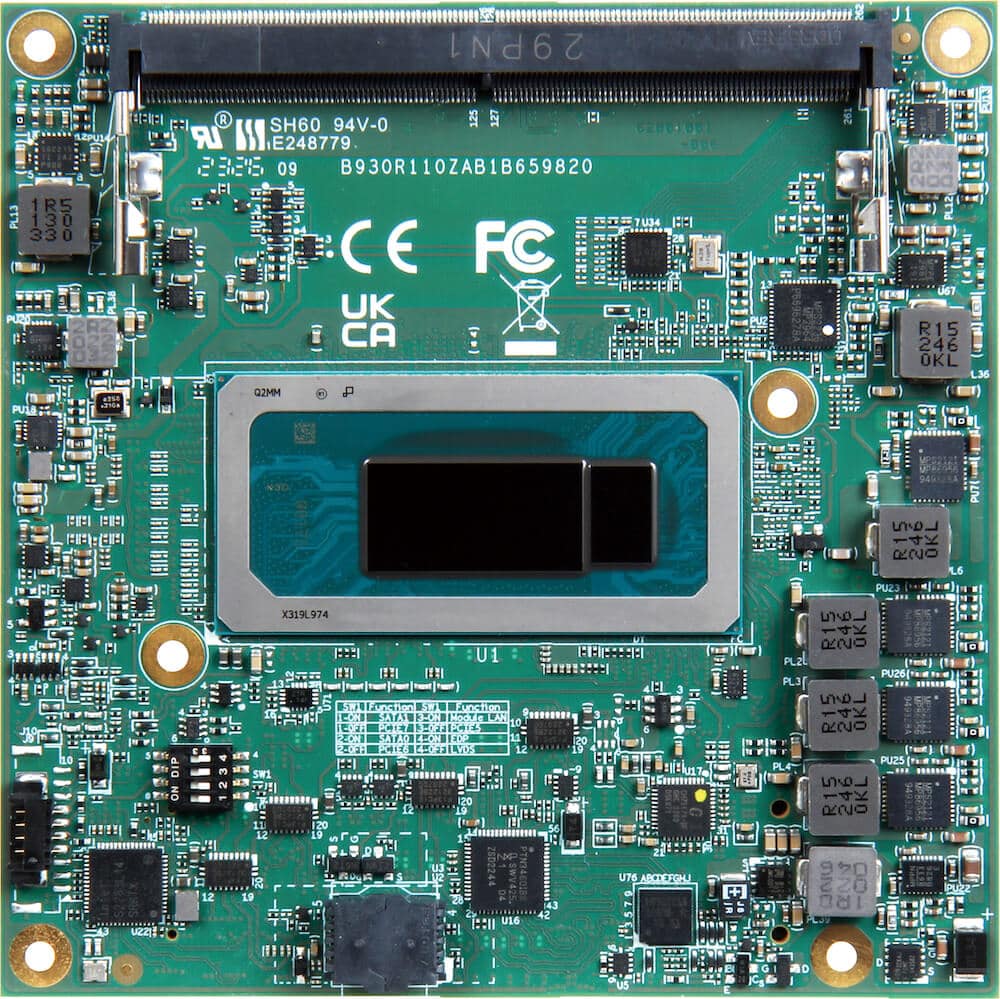
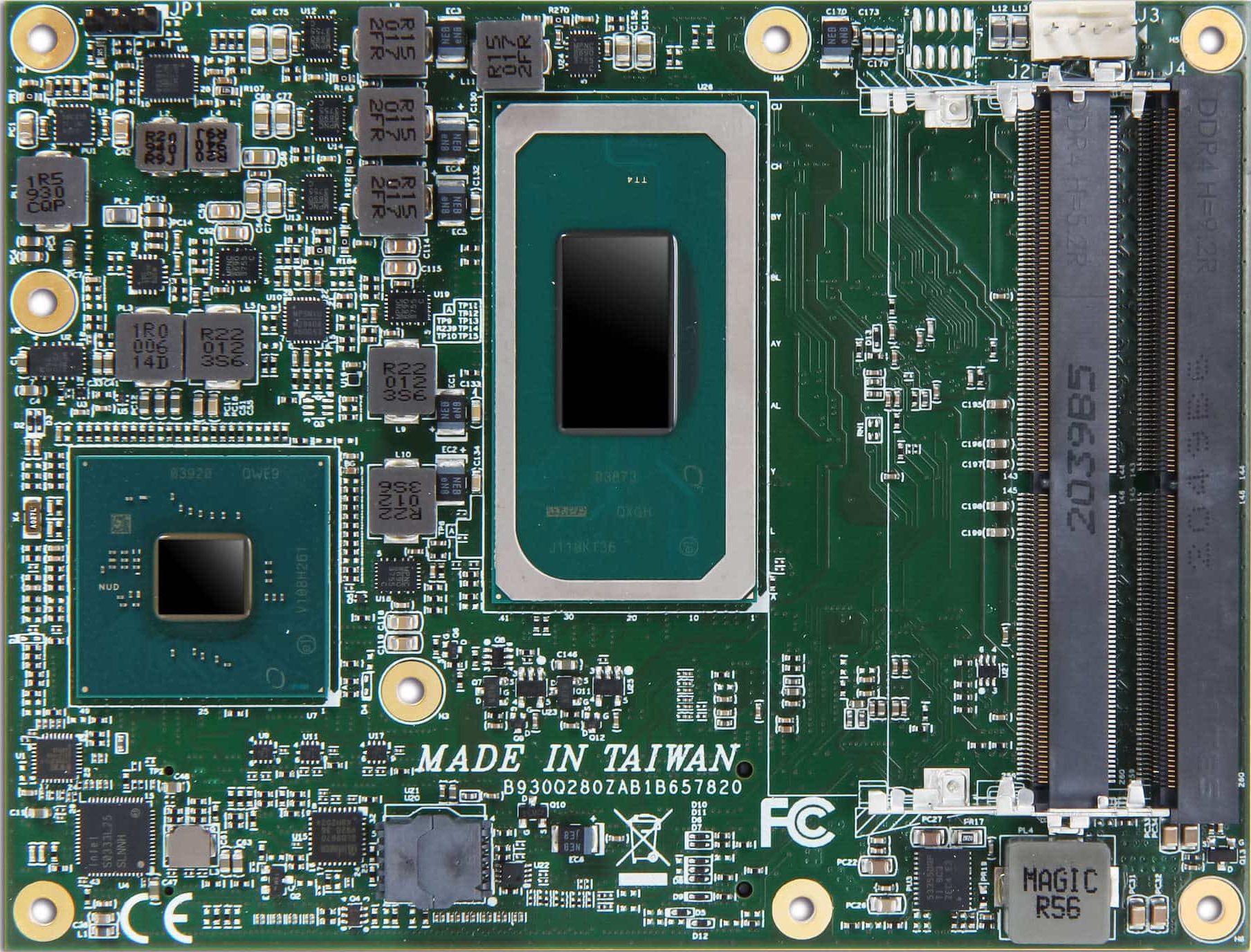
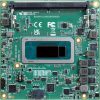
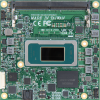
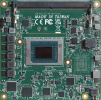
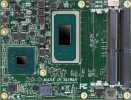
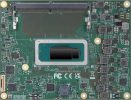
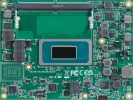
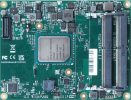
For the Type 6 product line, Portwell offers a complete selection from entry-level to high-performance solutions. First, the PCOM-B646 adopts Intel Atom® x7000E/RE series processors, making it suitable for low-power applications such as industrial controllers, HMI, and IoT gateways. Meanwhile, the PCOM-B657, PCOM-B658, and PCOM-B659 adopt Intel®Core™ processor platforms and can meet the needs of mid- to high-end applications such as industrial automation, machine vision, intelligent transportation, and edge computing.

Portwell Logo_only oaoa

Intel®Core™ Ultra: Powering Next-Generation Edge AI

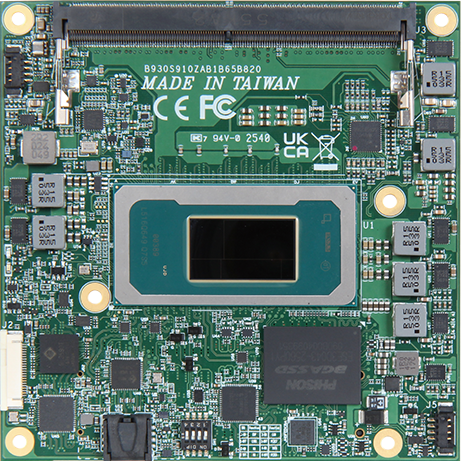
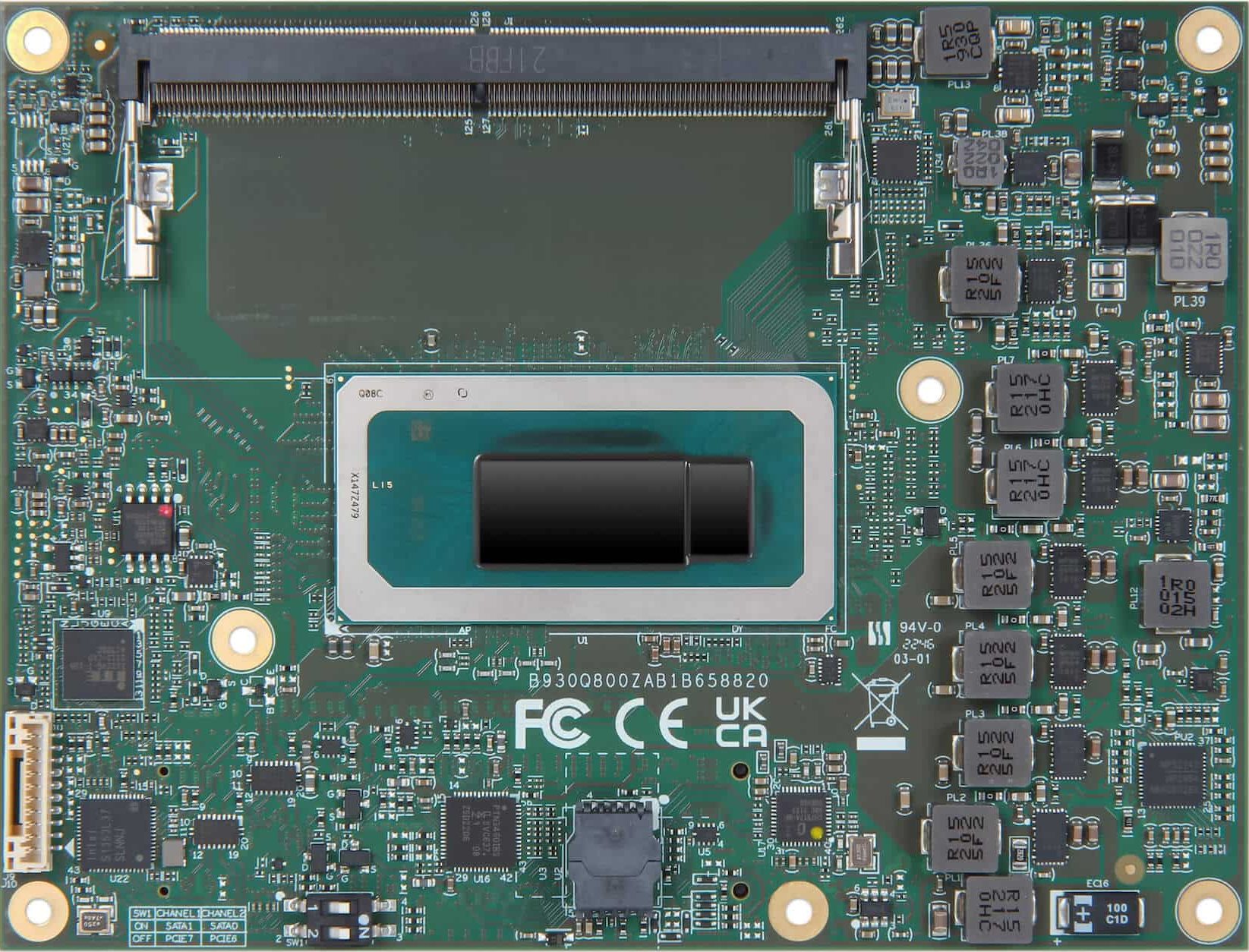
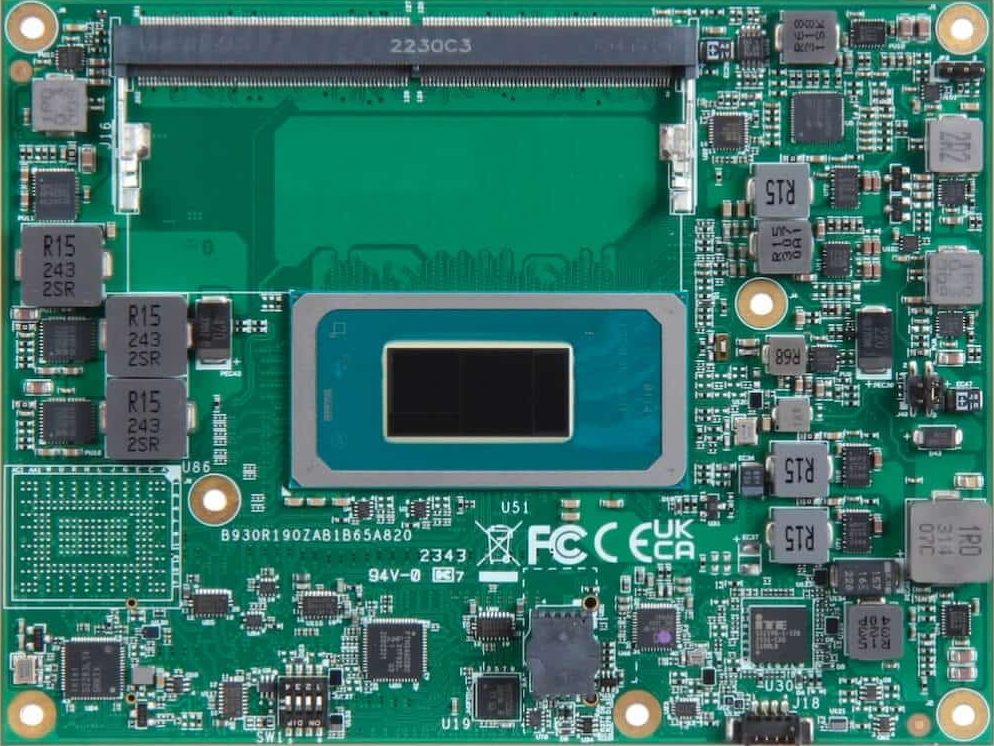
As AI and edge computing demands grow rapidly, Portwell has introduced Intel®Core™ Ultra platform products, including the PCOM-B65B and PCOM-B65A. Specifically, these modules integrate a heterogeneous CPU, GPU, and NPU computing architecture to support real-time AI inference, image analysis, intelligent monitoring, and industrial AI applications, thereby helping customers build next-generation Edge AI systems.

Portwell Logo_only oaoa

Type 7: High-Throughput Edge Server Platforms

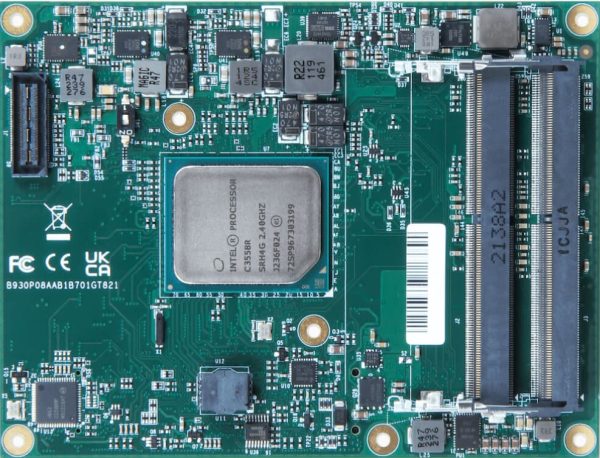
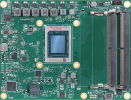
On the other hand, for Type 7 products, Portwell provides high-performance modules such as the PCOM-B701, PCOM-B706, and PCOM-B707. Because these modules offer PCIe lanes, high-speed Ethernet, and server-class computing capability, they are suitable for cybersecurity appliances, SD-WAN, 5G infrastructure, edge servers, and high-data-throughput applications.

Product Overview & Selection Guide

Product Photo Type Form
Factor
Size Processor Platform Key Features Suitable Applications

PCOM-BA03

PCOM-BA03 Type 10 Mini 84 x 55 mm Intel Atom® Compact size, low power consumption, high integration IoT endpoints, smart sensors, compact controllers

PCOM-B646

PCOM-B646 Type 6 Compact 95 x 95 mm Intel Atom® Industrial-grade low-power platform, long-term supply Industrial gateways, HMI, equipment control

PCOM-B659

PCOM-B659 Type 6 Compact 95 x 95 mm Intel®Core™ DDR5, PCIe Gen4, high-speed connectivity Industrial automation, intelligent transportation, Edge Computing

PCOM-B65B

PCOM-B65B Type 6 Compact 95 x 95 mm Intel®Core™ Ultra CPU + GPU + NPU heterogeneous computing Edge AI, smart manufacturing, image analytics

PCOM-B65C

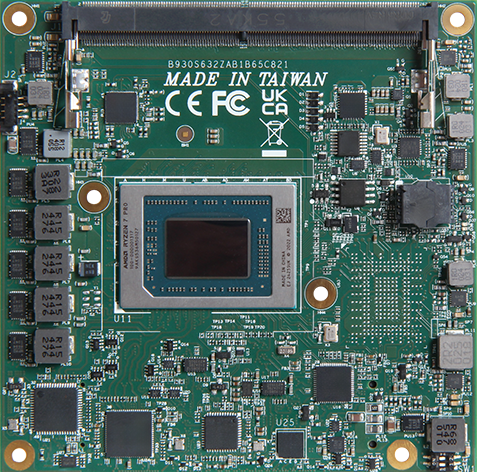
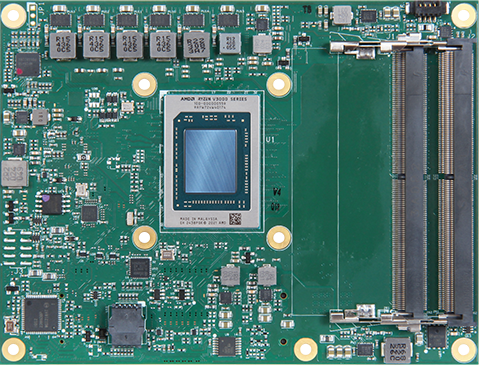
PCOM-B65C Type 6 Compact 95 x 95 mm AMD Ryzen High-Performance Computing Machine vision, intelligent surveillance, IoT

PCOM-B657

PCOM-B657 Type 6 Basic 125 x 95 mm Intel®Core™ Balanced performance and power consumption, rich I/O Industrial control, smart manufacturing, edge computing

PCOM-B658

PCOM-B658 Type 6 Basic 125 x 95 mm Intel®Core™ High-speed PCIe and DDR5 support Machine vision, AOI, medical equipment

PCOM-B65A

PCOM-B65A Type 6 Basic 125 x 95 mm Intel®Core™ Ultra Next-generation AI computing platform, DDR5, PCIe Gen4 AOI, medical imaging, intelligent transportation

PCOM-B701

PCOM-B701 Type 7 Basic 125 x 95 mm Intel Atom® High-speed networking, high expansion capability Cybersecurity, SD-WAN, communications equipment

PCOM-B706

PCOM-B706 Type 7 Basic 125 x 95 mm AMD Ryzen Multi-core computing, high-bandwidth I/O Edge servers, data acquisition, 5G applications

PCOM-B707

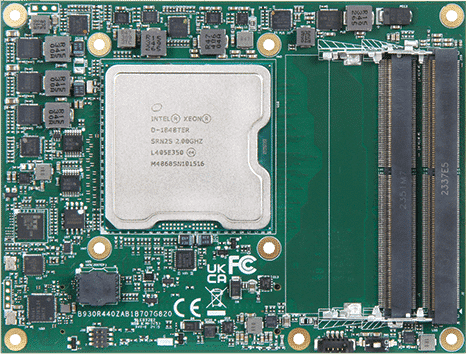
PCOM-B707 Type 7 Basic 125 x 95 mm Intel®Xeon D Server-class performance and networking capability Telecom equipment, networking equipment, Edge Server

PCOM-BA03

Type

Type 10

Form Factor

Mini

Size

84 x 55 mm

Processor Platform

Intel Atom®

Key Features

Compact size, low power consumption, high integration

Suitable Applications

IoT endpoints, smart sensors, compact controllers

PCOM-B646

Type

Type 6

Form Factor

Compat

Size

95 x 95 mm

Processor Platform

Intel Atom®

Key Features

Industrial-grade low-power platform, long-term supply

Suitable Applications

Industrial gateways, HMI, equipment control

PCOM-B659

Type

Type 6

Form Factor

Compact

Size

95 x 95 mm

Processor Platform

Intel®Core™

Key Features

DDR5, PCIe Gen4, high-speed connectivity

Suitable Applications

Industrial automation, intelligent transportation, Edge Computing

PCOM-B65B

Type

Type 6

Form Factor

Compact

Size

95 x 95 mm

Processor Platform

Intel®Core™ Ultra

Key Features

CPU + GPU + NPU heterogeneous computing

Suitable Applications

Edge AI, smart manufacturing, image analytics

PCOM-B65C

Type

Type 6

Form Factor

Compact

Size

95 x 95 mm

Processor Platform

AMD Ryzen

Key Features

High-Performance Computing

Suitable Applications

Machine vision, intelligent surveillance, IoT

PCOM-B657

Type

Type 6

Form Factor

Basic

Size

125 x 95 mm

Processor Platform

Intel®Core™

Key Features

Compact size, low power consumption, high integration

Suitable Applications

IoT endpoints, smart sensors, compact controllers

PCOM-B658

Type

Type 6

Form Factor

Basic

Size

125 x 95 mm

Processor Platform

Intel®Core™

Key Features

High-speed PCIe and DDR5 support

Suitable Applications

Machine vision, AOI, medical equipment

PCOM-B65A

Type

Type 6

Form Factor

Basic

Size

125 x 95 mm

Processor Platform

Intel®Core™ Ultra

Key Features

Next-generation AI computing platform, DDR5, PCIe Gen4

Suitable Applications

AOI, medical imaging, intelligent transportation

PCOM-B701

Type

Type 7

Form Factor

Basic

Size

125 x 95 mm

Processor Platform

Intel Atom®

Key Features

High-speed networking, high expansion capability

Suitable Applications

Cybersecurity, SD-WAN, communications equipment

PCOM-B706

Type

Type 7

Form Factor

Basic

Size

125 x 95 mm

Processor Platform

AMD Ryzen

Key Features

Multi-core computing, high-bandwidth I/O

Suitable Applications

Edge servers, data acquisition, 5G applications

PCOM-B707

Type

Type 7

Form Factor

Basic

Size

125 x 95 mm

Processor Platform

Intel®Xeon D

Key Features

Server-class performance and networking capability

Suitable Applications

Telecom equipment, networking equipment, Edge Server

The advantages of Portwell COM Express products come not only from hardware specifications, but also from comprehensive design service capabilities. Specifically, from carrier board design, BIOS customization, thermal planning, and system validation to long-term supply management, Portwell helps customers establish stable product platforms that can be continuously upgraded. Therefore, for industrial equipment manufacturers that require long lifecycles and a high degree of customization, Portwell COM Express solutions can effectively reduce development risk, shorten time to market, and consequently enhance product competitiveness.

Multi-Scenario Applications

Portwell Logo_only oaoa

Medical Equipment and Medical Imaging

Medical equipment places extremely high demands on reliability, stability, and product lifecycle. Specifically, the modular architecture of COM Express helps medical equipment manufacturers quickly integrate high-resolution image processing, multi-display output, AI-assisted diagnosis, and data storage functions. Applications include ultrasound equipment, endoscopy systems, medical imaging workstations, patient monitoring equipment, and intelligent diagnostic platforms. Consequently, through module upgrades, medical equipment can improve computing performance while maintaining existing certification and mechanical designs.

Portwell Logo_only oaoa

Defense and Military Applications

Defense and military equipment is often deployed in environments with high vibration, wide temperature fluctuations, high humidity, and severe electromagnetic conditions. As a result, system reliability and long-term supply capability are critical. For instance, COM Express can be used in tactical command systems, radar control equipment, unmanned vehicles, military communications equipment, and border surveillance systems. Therefore, through customized carrier board design, military-grade communication interfaces, GPS, encryption modules, and specialized sensors can be integrated to meet defense application requirements.

Portwell Logo_only oaoa

Networking, Communications, and Cybersecurity Equipment

With the rapid development of 5G, SD-WAN, cybersecurity, and edge data centers, networking equipment requires higher data throughput and stronger network processing capability. In particular, COM Express Type 7 modules provide extensive PCIe lanes and high-speed Ethernet support, making them suitable for firewalls, UTM, SDN, telecommunications equipment, network switches, and edge servers. Furthermore, the modular architecture enables equipment manufacturers to quickly adopt next-generation processor platforms, thereby improving product competitiveness.

Portwell Logo_only oaoa

Intelligent Transportation and Railway Systems​

Transportation and railway equipment must operate reliably for long periods while providing resistance to vibration, interference, and wide-temperature conditions. Specifically, COM Express can serve as the core computing module for in-vehicle computers, Passenger Information Systems (PIS), intelligent signal controllers, traffic monitoring systems, and fleet management platforms. In addition, through customized carrier boards, GPS, CAN Bus, PoE, LTE/5G, and multiple network interfaces can be integrated to meet intelligent transportation application requirements.

Portwell Logo_only oaoa

Edge AI and Intelligent Analytics

AI technology is being rapidly adopted across industrial and commercial environments. For example, new-generation COM Express modules based on the Intel®Core™ Ultra platform can use the CPU, GPU, and NPU to execute real-time AI inference. Applications include intelligent monitoring, anomaly detection, image recognition, smart retail, predictive maintenance, and industrial AI analytics. Therefore, through modular design, systems can quickly upgrade computing capability according to AI model requirements.

Portwell Logo_only oaoa

Industrial Automation and Industrial Control

Industrial automation equipment requires long-term stable operation and must integrate large numbers of sensors, PLCs, motion control systems, and HMI systems. Specifically, COM Express can integrate EtherCAT, CAN Bus, RS-232/422/485, DIO, and industrial network interfaces through customized carrier boards, thereby forming a highly customized control platform. Moreover, its modular architecture helps equipment manufacturers build shared platforms, consequently reducing product maintenance and upgrade costs.

Portwell Logo_only oaoa

Intelligent Transportation Infrastructure

Beyond in-vehicle and railway systems, COM Express is also widely used in smart city and transportation infrastructure, including smart parking management, electronic toll collection systems, road monitoring, traffic flow analysis, and intelligent Roadside Units (RSUs). With high-performance computing and AI analytics capabilities, it can therefore help city management authorities improve traffic efficiency and public safety.

Portwell Logo_only oaoa

IoT and Intelligent Internet of Things

IoT applications cover smart factories, smart buildings, energy management, environmental monitoring, and remote equipment management. In general, COM Express can serve as the core computing platform for IoT gateways or edge gateways, responsible for data collection, protocol conversion, edge analytics, and cloud connectivity. Consequently, through standardized modules and customized carrier board design, equipment manufacturers can quickly build IoT solutions that meet the requirements of different industries.

Part 2 Conclusion: Building Long-Term, Scalable Industrial Computing Platforms

By leveraging a design that separates the module from the carrier board, COM Express enables customers to gradually upgrade processors, memory, high-speed interfaces, and AI computing capability while maintaining existing mechanical, I/O, and certification designs. Specifically, unlike standard SBCs, it provides greater customization and upgrade flexibility. Furthermore, while COM-HPC addresses ultra-high performance requirements, COM Express offers a more mature industrial deployment foundation and broader application adaptability. In addition, compared with Qseven and SMARC, it is better suited for mid- to high-end x86 industrial computing and high-expansion requirements.

Therefore, for Portwell, COM Express is an important foundation for helping customers build long-term embedded computing platforms. As a result, with a complete product portfolio covering Type 6, Type 7, and Type 10, Portwell supports a broad range of requirements, from low-power embedded control to high-performance Edge AI, and from general industrial automation to server-class networking applications.

Subscribe

Press Releases Subscribe Form